Emergency Food: A Realistic Preparedness Guide
Emergency food is often misunderstood.
For most people, it is not about stockpiling years of supplies or eating survival rations. It is about maintaining normal function during short-term disruptions.
This page focuses on realistic emergency food preparedness for people living in the real world, often in apartments, with limited space and normal budgets.
What Emergency Food Is (And What It Is Not)
Emergency food is meant to cover:
- Short-term supply disruptions
- Temporary loss of access to shops
- Power outages or transport interruptions
- Periods of uncertainty and limited options
It is not about:
- Permanent self-sufficiency
- Extreme long-term survival scenarios
- Replacing normal food habits
The goal is continuity, not isolation.
The Biggest Mistake People Make
The most common mistake is treating emergency food as a buying problem.
People focus on quantity first and planning second. This usually leads to:
- Food that never gets rotated
- Items no one actually eats
- Wasted money and space
Preparedness works better when it fits into everyday life.
What I Prioritize When Building Food Continuity
When I think about emergency food, I prioritize three things:
-
Familiarity
Food should be normal, recognizable, and already part of regular meals. -
Rotation
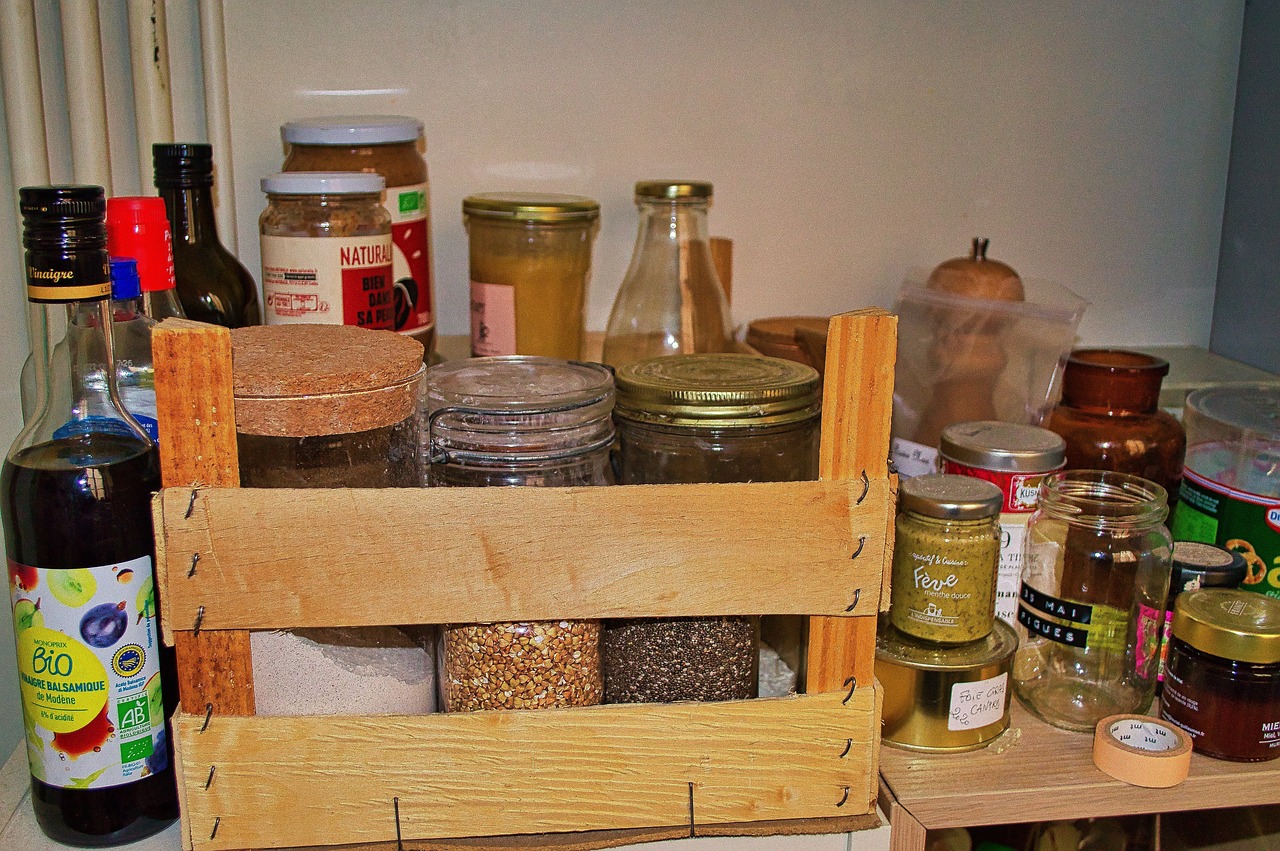
Stored food should move naturally through daily use and be replaced without effort. -
Simplicity
Fewer items, used consistently, work better than large collections of rarely used food.
I avoid building systems that require special preparation or discipline to maintain.
Emergency Food in Apartments and Urban Settings
Urban food preparedness has real constraints:
- Limited storage space
- Shared infrastructure
- Reliance on electricity for cooking
This means emergency food planning should consider:
- Foods that require minimal preparation
- Options that work without full kitchen access
- Portion sizes that fit real storage limits
More food is not always better. Better systems are better.
How Much Emergency Food Is Enough?
For most people, a few days to a couple of weeks of food continuity is realistic and sufficient.
Beyond that point, other factors usually become more important:
- Mobility
- Access to information
- Ability to adapt plans
Preparedness