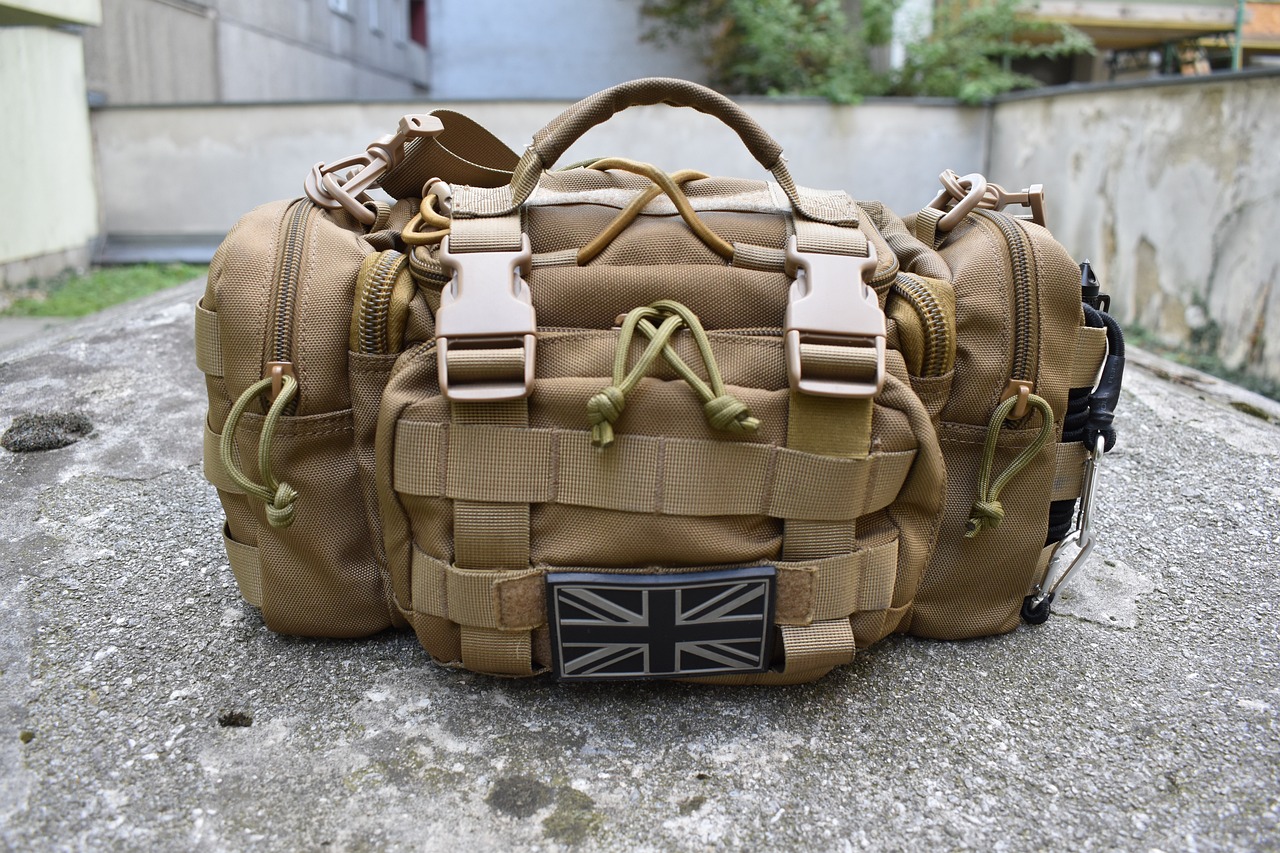
Compact Emergency Essentials: A Realistic Approach
Preparedness does not mean carrying large bags or specialized survival gear.
For most people, especially in urban environments, it means having a small set of essentials that allow you to stay functional during short, unexpected disruptions.
This page focuses on compact emergency essentials that fit real life, real spaces, and realistic scenarios.
What “Compact” Actually Means
Compact does not mean minimal at all costs.
It means:
- Easy to carry
- Easy to store
- Easy to understand and maintain
If something requires constant adjustment, special knowledge, or excessive space, it stops being useful.
The Biggest Mistake People Make
The most common mistake is treating compact preparedness as a gear challenge.
People try to compress too much into a small space. The result is usually:
- Items that are never used
- Redundancy without purpose
- Complex kits that are forgotten
Preparedness works better when each item has a clear role.
What I Prioritize in a Compact Setup
When building a compact set of emergency essentials, I focus on function, not completeness.
-
Awareness
Access to information and the ability to understand what is happening. -
Mobility
The ability to move comfortably without being slowed down. -
Continuity
Staying functional for a short period while normal systems recover.
I do not try to prepare for every possible scenario in a compact setup.
Where Compact Essentials Are Most Useful
Compact emergency essentials are particularly useful for:
- Daily commuting
- Short evacuations
- Unexpected overnight stays
- Temporary infrastructure disruptions
They complement home preparedness. They do not replace it.
What I Avoid
I deliberately avoid:
- Overloaded kits
- Specialized survival tools
- Items that require practice to use
- Gear chosen for appearance rather than function
If something increases stress or decision-making during an emergency, it does not belong.
Compact Preparedness in Urban Life
Urban environments reward simplicity.
Space is limited, movement is constrained, and infrastructure usually returns faster than people expect.
A compact setup should help you bridge short gaps, not isolate you from the systems around you.
How This Fits Into Preparedness as a Whole
Compact emergency essentials are one layer of preparedness.
They support:
- Calm decision-making
- Flexibility
- Short-term resilience
This approach keeps preparedness practical, portable, and proportionate.