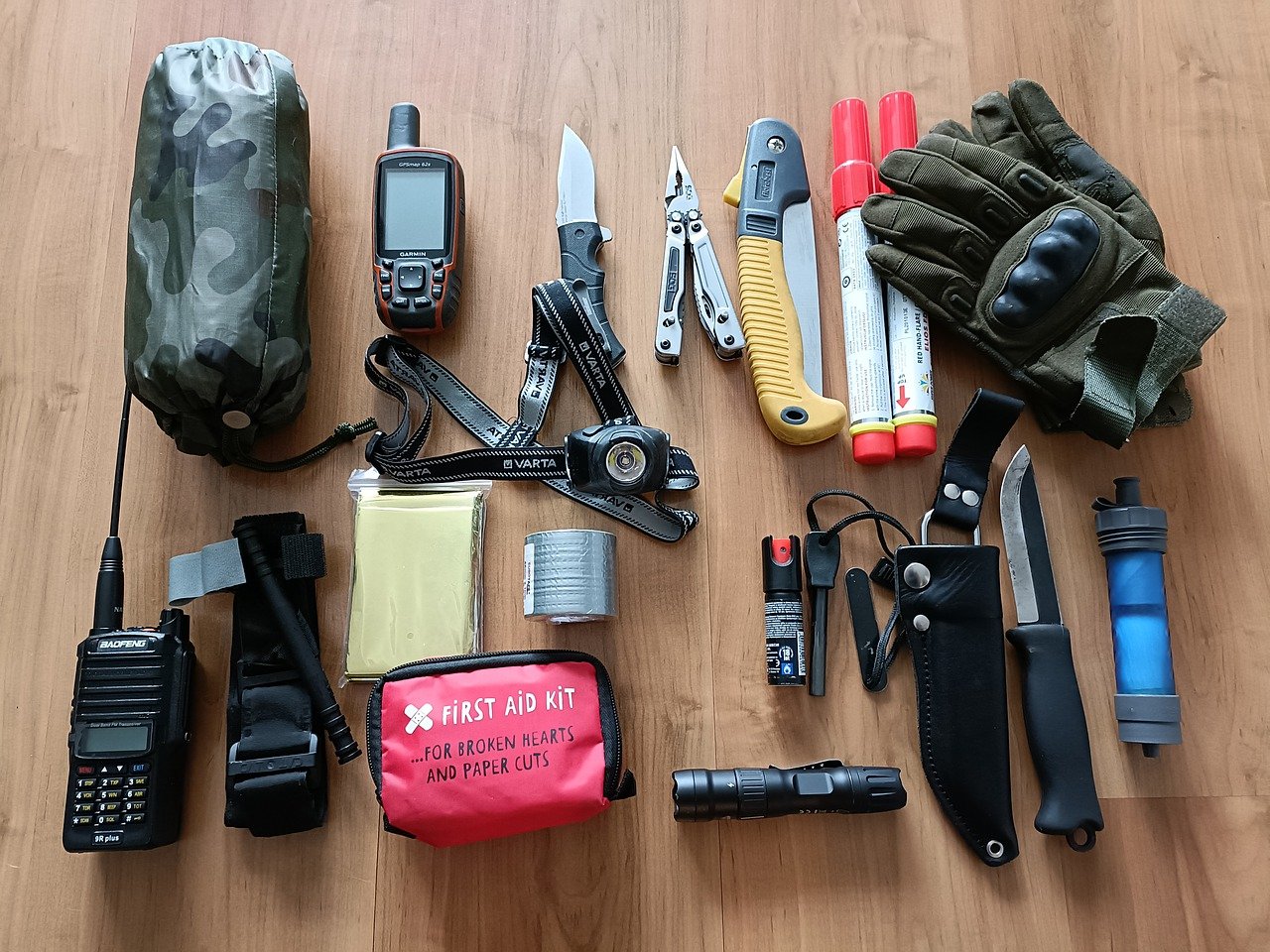
Preparedness in Small Apartments: Practical Constraints
Preparedness in small apartments looks different from what is often shown online.
Limited space, shared infrastructure, and building rules shape what is realistic and what is not.
This page focuses on how apartment living changes preparedness decisions, not on building kits or collecting gear.
The Reality of Small Living Spaces
Apartments introduce constraints that are easy to underestimate:
- Limited storage
- Restricted access points
- Dependence on building-wide systems
- Noise and visibility considerations
Preparedness here is about adapting to these limits, not fighting them.
The Most Common Mistake
The most common mistake is trying to copy preparedness advice designed for houses.
Large kits, redundant gear, and bulky supplies quickly become impractical in small spaces.
What works in a garage or basement often fails in an apartment.
What I Prioritize in Apartments
When thinking about preparedness in small apartments, I prioritize:
-
Portability
Being able to move essentials easily without disruption. -
Discretion
Avoiding setups that draw attention or create friction with neighbors. -
Continuity
Maintaining basic function during short disruptions.
I do not try to recreate rural or standalone preparedness models.
Shared Infrastructure Changes Everything
Apartment living means shared utilities, shared access, and shared risk.
Power, water, and building access are often managed centrally.
Preparedness should account for how these systems fail and recover, rather than assuming complete independence.
Why Simplicity Matters More
In small spaces, complexity becomes a liability.
Fewer items, chosen carefully, are easier to maintain and use under stress.
Preparedness should reduce cognitive load, not increase it.
How This Fits Into Urban Preparedness
This page is part of a broader approach to urban preparedness.
It complements:
- Emergency food continuity
- Compact emergency essentials