
Portuguese Prepper
Everyday Preparedness: Practical Readiness for Common Disruptions
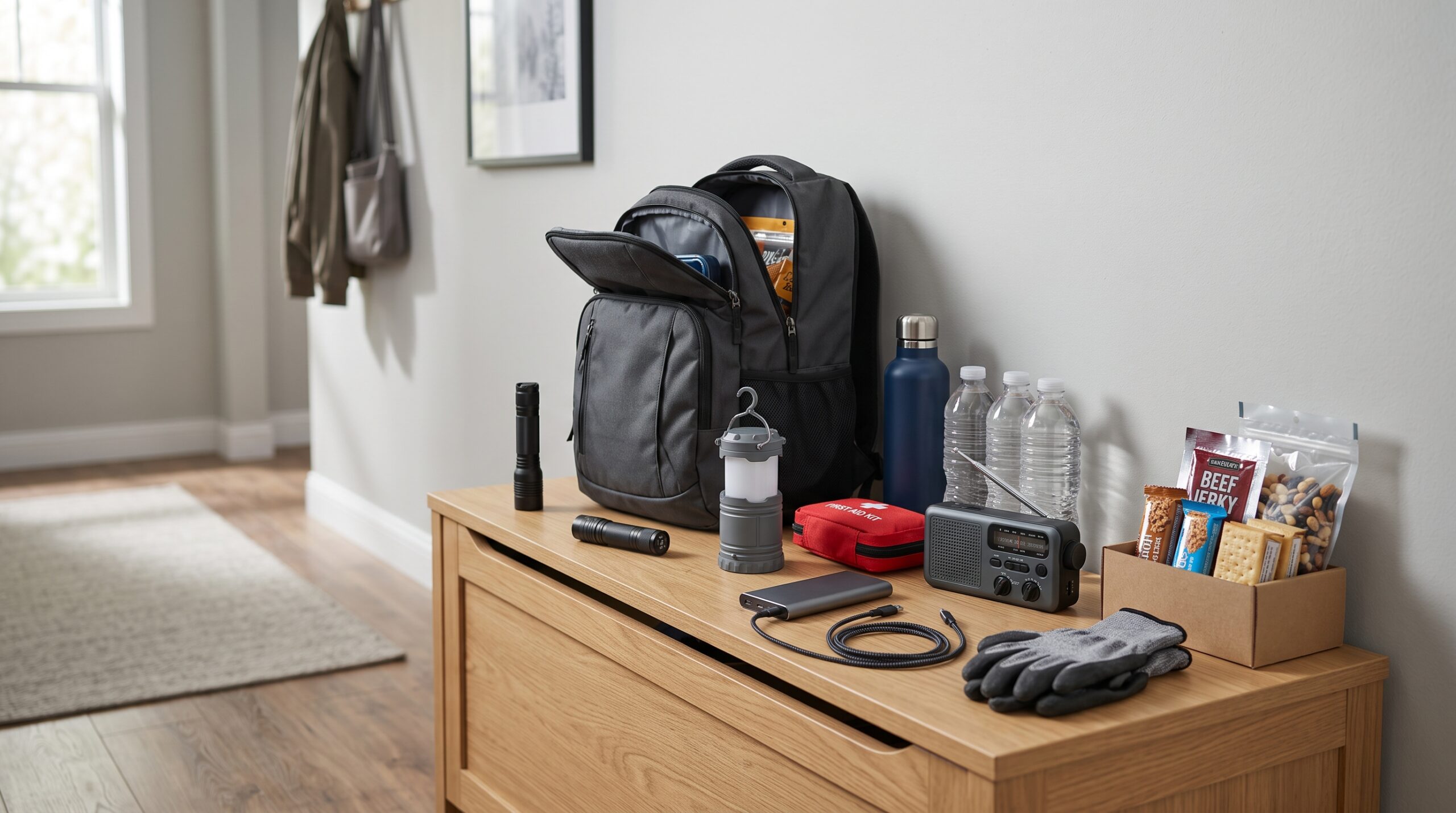
Preparedness starts long before an extreme emergency. A power outage, temporary water interruption, minor injury, communication failure, travel delay, vehicle problem, or short-term supply disruption can create serious inconvenience when you have no backup plan.
Everyday preparedness means building simple systems that help your household continue functioning when normal routines are interrupted. The objective is not to prepare for every imaginable scenario, but to reduce your dependence on everything working perfectly all the time.
Start with the disruptions most likely to affect you, cover your essential needs, and then build additional resilience around your location, household, health requirements, work, and travel patterns.
Start With the Problems Most Likely to Happen
Every household faces different risks, but several disruptions are common enough to deserve attention before specialized emergency scenarios.
Build a Short-Term Household Baseline
A useful first milestone is the ability to manage a short disruption without immediately depending on outside supplies. A 72-hour baseline is not a guarantee that every emergency will be resolved within three days, and it should not be treated as the final objective. It is simply a manageable place to begin.
For those first few days, think about the functions your household needs to preserve rather than starting with a shopping list.
- Water: Enough safe drinking water for the people in your household, plus a way to treat additional water if necessary.
- Food: Familiar foods that store well and can be prepared even if normal cooking methods are unavailable.
- Lighting: Reliable flashlights, headlamps, or lanterns with appropriate spare batteries or charging options.
- Communication: Charged phones, backup power, important contact information, and an agreed family communication plan.
- Medical: A practical first-aid kit and appropriate access to essential personal medications and medical supplies.
- Information: A way to receive relevant emergency information if your usual internet connection is unavailable.
- Sanitation: Basic hygiene and emergency sanitation supplies for interruptions to normal household services.
Once that baseline works, extend it according to the risks that matter most to your household rather than accumulating equipment without a defined purpose.
Preparedness You Actually Use
Some of the most useful preparedness equipment is ordinary equipment with a backup function. A power bank used during travel can keep a phone operating during a blackout. A headlamp used for repairs becomes hands-free emergency lighting. Stored food that is already part of your normal diet can become an emergency reserve when it is continuously rotated.
This approach reduces waste and makes preparedness easier to maintain. Equipment that is periodically used is also more likely to be charged, functional, familiar, and accessible when an actual disruption occurs.
The same principle applies to skills. Knowing how to shut off household utilities when appropriate, treat a minor injury, use a fire extinguisher, navigate without mobile data, change a tire, or operate your backup equipment can be more valuable than owning additional gear you have never used.
Think in Systems, Not Shopping Lists
Buying individual emergency products does not automatically create resilience. Each essential need should have a simple plan behind it.
For example, owning a power bank is useful, but the complete system includes keeping it charged, having the correct cables, knowing how many times it can realistically recharge your devices, and having another charging method if an outage lasts longer than expected.
The same logic applies to water, food, first aid, communications, tools, and other preparedness categories. Identify the function you need to preserve, choose an appropriate primary method, and then consider what you will do if that method becomes unavailable.
Make Preparedness Part of Normal Life
A preparedness system is easier to maintain when it becomes part of normal household routines. Rotate stored food and water where appropriate, recharge batteries after use, replace expired supplies, keep important equipment accessible, and periodically check that everyone in the household understands the basic plan.
You do not need to complete everything at once. Improving one weak point at a time creates meaningful resilience without turning preparedness into an expensive collection of unused equipment.
Build Outward From Everyday Readiness
Once the everyday baseline is covered, use the main Portuguese Prepper preparedness areas to develop the capabilities that matter most for your circumstances.
Where Should You Start?
Start with one simple question: What would become a problem first if normal services stopped working today?
Fix that weakness first. Then move to the next one. For most households, establishing basic water, food, lighting, communication, first-aid, and power resilience provides a strong foundation before moving into more specialized preparedness.