Portuguese Prepper
Medical & Hygiene Preparedness
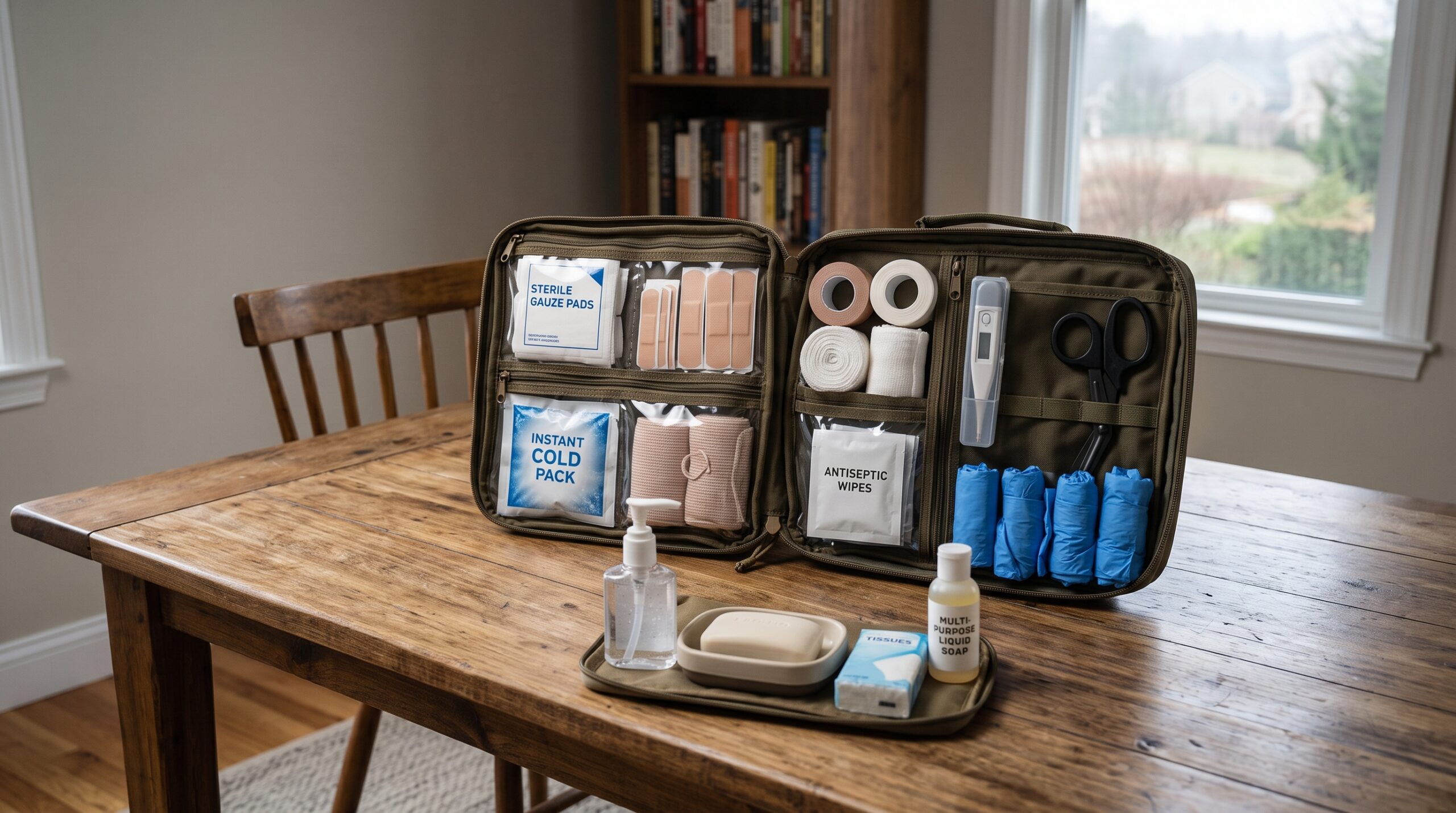
Medical preparedness means being able to manage common injuries, maintain hygiene, recognize when a situation requires professional care, and preserve access to essential health supplies when normal services are disrupted.
The objective is not to replace doctors, emergency medical services, pharmacies, or hospitals. It is to improve what you can safely do before professional help arrives, during temporary disruptions to healthcare access, and in situations where basic sanitation becomes more difficult.
Equipment is only one part of that system. First-aid training, appropriate supplies, personal medications, hygiene, sanitation, reliable information, and knowing the limits of your own skills are equally important.
Start With Skills, Not Equipment
A well-stocked medical kit is not a substitute for training. Before adding specialized trauma equipment, learn basic first aid and CPR through a recognized training provider. Where appropriate and available, bleeding-control training can add practical skills for responding to severe bleeding.
Training helps you recognize what you can manage, what requires urgent professional care, and how to use emergency equipment without creating additional harm.
Everyone in the household should also know how to contact the appropriate emergency services for their location and where essential medical information, medications, and supplies are kept.
First Aid & Trauma Preparedness
Start with the injuries you are realistically likely to encounter: cuts, burns, sprains, minor wounds, and other common problems. Trauma supplies for severe bleeding can form an additional layer, particularly in vehicles, workshops, remote locations, or other environments where serious injury is possible.
Buy Critical Medical Gear Carefully
Some emergency medical products are safety-critical. Product quality, storage conditions, expiration dates, packaging integrity, and authenticity can matter substantially when equipment is expected to perform during a medical emergency.
For critical items such as tourniquets and other specialized trauma equipment, use reputable sources and verify the exact product rather than selecting an unfamiliar substitute solely because it looks similar or costs less.
Inspect medical kits periodically. Replace expired or damaged supplies where appropriate, replenish items that have been used, and make sure the people expected to use the kit know where it is stored.
Medications & Continuity of Care
Medication preparedness is primarily about continuity: maintaining appropriate access to medications and health supplies you may depend on when pharmacies, transportation, or normal healthcare services are disrupted.
Prescription medicines, including antibiotics, require appropriate clinical oversight. Antibiotics are not interchangeable treatments for every infection, and inappropriate use can cause harm and contribute to antimicrobial resistance.
If you depend on prescription medication or medical equipment, discuss emergency continuity with an appropriate healthcare professional. Requirements can differ substantially by medication, medical condition, jurisdiction, storage needs, and individual circumstances.
Respiratory & Radiological Preparedness
Respiratory protection and radiological preparedness address specific hazards. The correct protective measure depends on what you are trying to protect against, so these products should not be treated as universal solutions.
Potassium iodide is not a general radiation antidote. Its emergency role is specifically related to reducing thyroid uptake of radioactive iodine when appropriate. It does not protect the rest of the body from radiation or from other radioactive materials.
Use potassium iodide during a radiological emergency only according to instructions from the relevant public-health or emergency authorities for your location.
Sanitation & Hygiene
Medical preparedness extends beyond first aid. Safe sanitation, hand hygiene, waste management, clean water, and basic personal hygiene become increasingly important when normal utilities are interrupted.
A prolonged water or sewage interruption can create problems that no trauma kit solves. Your household therefore needs a plan for both medical supplies and basic sanitation.
Waste-disposal requirements can vary by location and emergency conditions. Follow instructions from local authorities during sewage failures, floods, evacuations, or other events affecting sanitation infrastructure.
Dental Preparedness
Dental problems can become difficult to manage when professional care is temporarily inaccessible. Preparedness should focus on prevention, basic supplies, pain-management planning where medically appropriate, and temporary measures until professional dental treatment becomes available.
Emergency dental products are not substitutes for definitive dental treatment. Significant pain, swelling, trauma, uncontrolled bleeding, spreading infection, or other serious symptoms require appropriate professional assessment.
Build Your Medical System in Layers
Layer 1: Everyday First Aid
Cover common household injuries with supplies you understand and know how to use.
Layer 2: Personal Medical Needs
Account for prescription medications, medical devices, allergies, relevant medical information, and other individual requirements within the household.
Layer 3: Emergency & Trauma Capability
Add appropriate emergency equipment and training for severe bleeding and other time-critical situations relevant to your risks and environment.
Layer 4: Hygiene & Sanitation
Plan for clean water, hand hygiene, personal hygiene, toilets, and safe waste management when normal utilities are disrupted.
Layer 5: Continuity
Consider how your medical and hygiene system changes if a disruption lasts several days rather than several hours. Supplies that are adequate for a short outage may not be sufficient for a longer interruption.
Medical Preparedness Has Limits
The purpose of preparedness is to improve your ability to respond safely while professional help is delayed or normal services are disrupted. It is not to turn untrained people into clinicians.
Know when a situation exceeds your training. Serious illness, major trauma, breathing difficulty, severe bleeding, poisoning, significant burns, altered consciousness, suspected infection, and other potentially dangerous conditions may require urgent professional medical care.
When emergency medical services and professional healthcare are available, use them.
Where Should You Start?
Start with recognized first-aid and CPR training, then build a household first-aid kit around situations you are trained to manage. Review personal medication and medical-device requirements, establish basic hygiene and sanitation supplies, and add specialized equipment only when you understand its purpose and limitations.
Medical preparedness should make your household more capable, not more willing to attempt treatment beyond its competence.
Medical disclaimer: Portuguese Prepper provides general educational information about preparedness and does not provide individualized medical diagnosis or treatment. Medical products and techniques have risks, limitations, and specific indications. Seek appropriate professional medical care and recognized training, and follow applicable public-health and emergency guidance.