
Portuguese Prepper
Best Body Wipes for Emergencies: How to Stay Clean Without a Shower
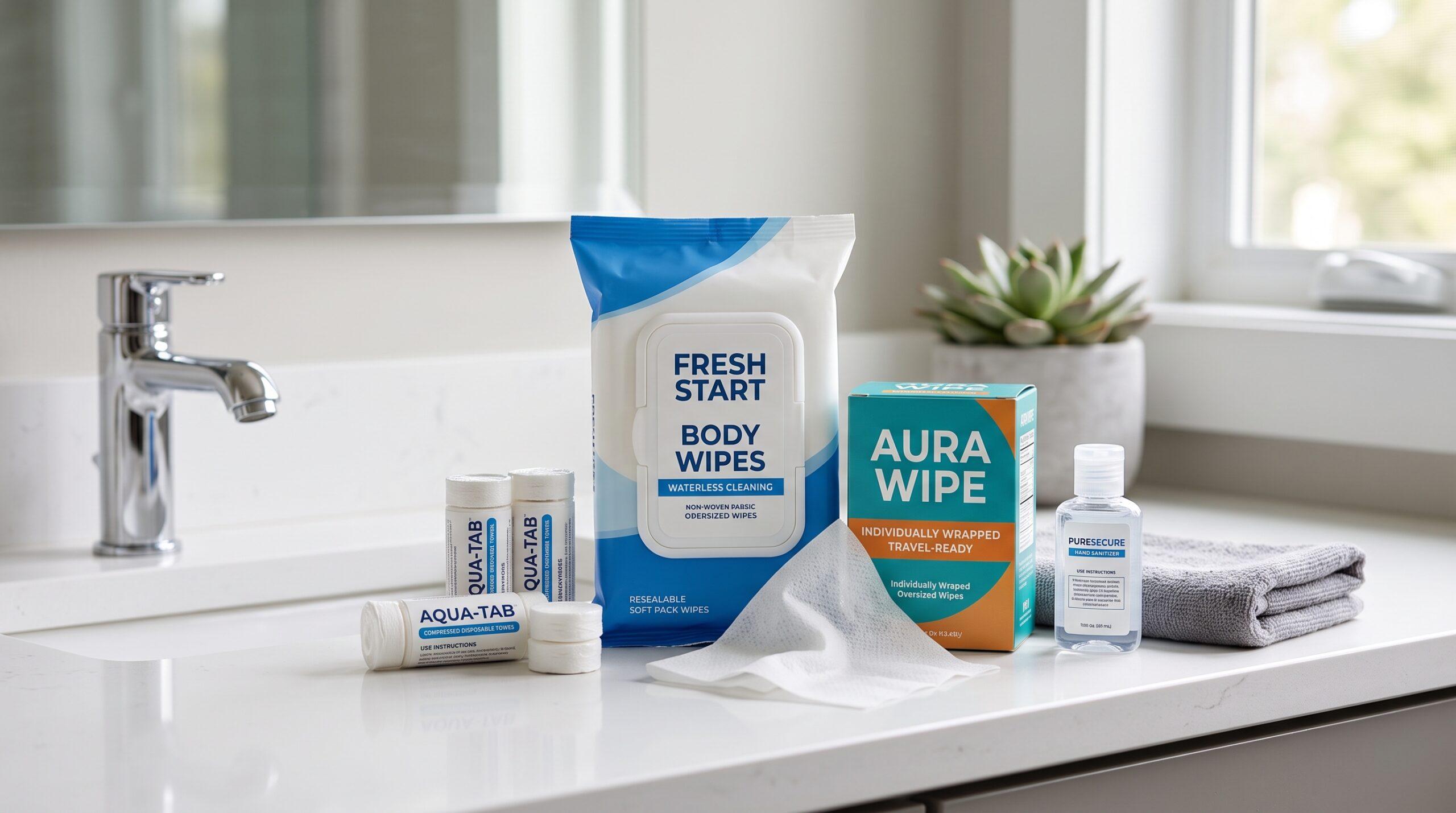
Short answer: large body wipes are one of the easiest ways to maintain basic personal hygiene when showers are unavailable or when stored water needs to be conserved. For most emergency kits, we prefer individually wrapped or resealable adult body wipes over standard baby wipes because their larger size makes them more practical for cleaning the body.
Our main preparedness pick is Surviveware Biodegradable Wipes, with Combat Wipes ACTIVE as another purpose-built outdoor option. For inexpensive home stockpiles, bulk Kirkland Signature Baby Wipes can still make sense. Compressed towels are a different solution: they store extremely well but require water before use.
Why body wipes belong in an emergency hygiene kit
During an extended power or water outage, drinking, cooking and essential sanitation usually deserve priority over conventional showering. Body wipes provide a way to remove sweat, dirt and some surface contamination while using little or no stored water.
They are particularly useful in bug out bags, vehicle kits, blackout supplies, camping kits and home emergency sanitation systems. They do not replace normal bathing indefinitely, but they can help bridge periods when running water or a safe shower is unavailable.
Focus on the areas where sweat and moisture accumulate most: underarms, skin folds, groin area and feet. Keeping skin reasonably clean and dry can also improve comfort during prolonged outages or evacuation.
Body wipes vs. baby wipes vs. compressed towels
| Option | Main advantage | Main limitation | Best preparedness role |
|---|---|---|---|
| Adult body wipes | Larger surface area and designed for body cleaning | More expensive per wipe | Bug out bags, evacuation and no-shower hygiene |
| Baby wipes | Cheap and widely available in bulk | Smaller; more wipes may be needed | Home emergency stockpile |
| Compressed towels | Compact and stored dry | Require water before use | Long-term kits and space-limited packs |
There is no universal number of wipes required for a full-body clean. The amount depends on wipe size, how dirty you are and how thoroughly you need to clean. Larger adult wipes generally make the process more efficient than small wipes, but claims that exactly one wipe will always clean an entire adult should be treated as marketing rather than a preparedness rule.
Our picks for emergency body wipes
Affiliate disclosure: This page contains affiliate links. If you purchase through these links, we may earn a commission at no additional cost to you.
Best Overall: Surviveware Biodegradable Wipes
Large body wipes designed for outdoor and no-shower use. A strong choice for bug out bags, vehicle kits and emergency hygiene supplies where compact, ready-to-use cleaning matters.
View on AmazonOutdoor Alternative: Combat Wipes ACTIVE
Purpose-built outdoor wipes intended for situations where normal washing facilities are unavailable. A practical alternative for hiking, evacuation kits and field hygiene.
View on AmazonBulk Home Pick: Kirkland Signature Baby Wipes
A bulk alternative for home preparedness. Smaller than dedicated body wipes, but useful when cost per wipe and keeping a large household supply are more important than pack size.
View on AmazonLong-Term Storage Option: Compressed Towels
Unlike wet wipes, compressed towels are stored dry and expanded with water when needed. They take up very little space and avoid one of the main problems of long-stored wet wipes: eventually losing moisture.
View on AmazonWet wipes or compressed towels?
These products solve slightly different problems. A wet body wipe is ready immediately and does not require you to spend stored water activating it. That makes wet wipes more convenient during evacuation, travel or a short outage.
Compressed towels are stored dry. Add a small amount of water and the compressed tablet expands into a usable cloth. Because the towel itself is not stored wet, it is an interesting option for long-term preparedness kits where compact storage is more important than immediate use.
A robust emergency hygiene kit can contain both: ready-to-use body wipes for the first days of an emergency and compressed towels as a compact backup.
How to clean yourself when you cannot shower
You do not need to reproduce a full shower. The goal is to clean the areas that most need attention while avoiding unnecessary cross-contamination.
- Start with relatively clean areas. Clean the face and neck with a clean wipe or clean section of cloth.
- Clean the upper body. Pay particular attention to underarms and areas where sweat accumulates.
- Clean the groin separately. Use a fresh wipe or a clean part of the cloth rather than transferring contamination from other areas.
- Clean the feet last. Dry carefully, especially between the toes, before putting socks or footwear back on.
- Change underwear and socks when possible. Clean skin placed immediately back into damp clothing defeats much of the benefit.
If someone has broken skin, a wound, an active rash or another medical problem, general-purpose body wipes should not automatically be treated as wound-cleaning products. Follow appropriate first-aid guidance for the specific problem.
How many body wipes should you store?
There is no useful universal rule such as “one wipe per person per day.” Actual use depends on wipe size, temperature, activity level and whether other washing methods remain available.
A better preparedness approach is to perform a simple test before stocking your kit: use the product for one no-shower day and record how many wipes one person realistically uses. Multiply that number by the number of people and the number of days you want the kit to support, then add reserve capacity.
For a home stockpile, inexpensive bulk wipes can supplement the larger body wipes kept in evacuation bags. This prevents you from consuming relatively expensive individually packaged wipes for routine household cleaning.
Do emergency wipes expire or dry out?
Wet wipes are not ideal “store and forget forever” supplies. Packaging can gradually lose moisture, seals can be damaged and manufacturers may provide shelf-life or storage instructions for individual products.
Store them according to the manufacturer’s instructions, inspect emergency supplies periodically and rotate older packages into normal household or outdoor use. Individually wrapped wipes can reduce the problem of repeatedly opening one large package, but the packaging itself should still be inspected.
Dry compressed towels avoid the specific problem of a pre-moistened wipe drying out, although they require clean water when you actually need to use them.
What does “biodegradable” mean for disposal?
Do not assume that a wipe marketed as biodegradable can simply be buried or left outdoors. Biodegradation depends on material and environmental conditions, and responsible disposal rules still apply.
For normal preparedness and outdoor use, plan to collect used wipes with your other waste and dispose of them properly when possible. Do not flush wipes unless the specific product and your sanitation system explicitly permit it.
In an emergency sanitation plan, include sealable waste bags alongside wipes, toilet supplies, gloves and hand-hygiene products. Waste management is part of the system; wipes alone are not an emergency hygiene plan.
Body wipes do not replace hand hygiene
Body cleaning and hand hygiene serve different purposes. Do not assume that a general body wipe disinfects hands unless the product is specifically intended and documented for that purpose.
Your preparedness supplies should therefore include a separate hand-hygiene strategy appropriate to the situation, especially before preparing or eating food and after using an emergency toilet.
Build a complete no-water hygiene kit
For a household outage or evacuation kit, body wipes work best as part of a broader sanitation system. Consider storing:
- Large body wipes
- Bulk wipes for routine cleaning
- Compressed towels
- Soap for situations where safe water is available
- Hand-hygiene supplies
- Toilet paper
- Heavy-duty and sealable waste bags
- Clean underwear and socks
- Menstrual hygiene products where required
- Disposable gloves for sanitation tasks
The objective is not to eliminate water use completely. It is to reserve safe water for the jobs where it matters most while maintaining workable personal hygiene and sanitation during an interruption of normal services.
Our verdict
For a bug out bag or compact emergency kit: start with large, ready-to-use body wipes such as Surviveware or Combat Wipes. They provide the most convenient no-shower option when you do not know whether water will be readily available.
For home preparedness: add bulk baby wipes because cost and quantity matter more when supporting several people for multiple days.
For long-term backup: compressed towels are worth adding because they are compact and stored dry. They complement rather than replace wet body wipes because they require water to work.
Related pages
Medical disclaimer: This guide provides general preparedness information and is not a substitute for professional medical advice or current public-health guidance.
Reviewed: September 2026. Product availability, formulations and manufacturer claims can change; check the current product listing and instructions before purchase and use.