
Portuguese Prepper
Best 72-Hour Food Kits: Compare Calories, Water & Practical Use
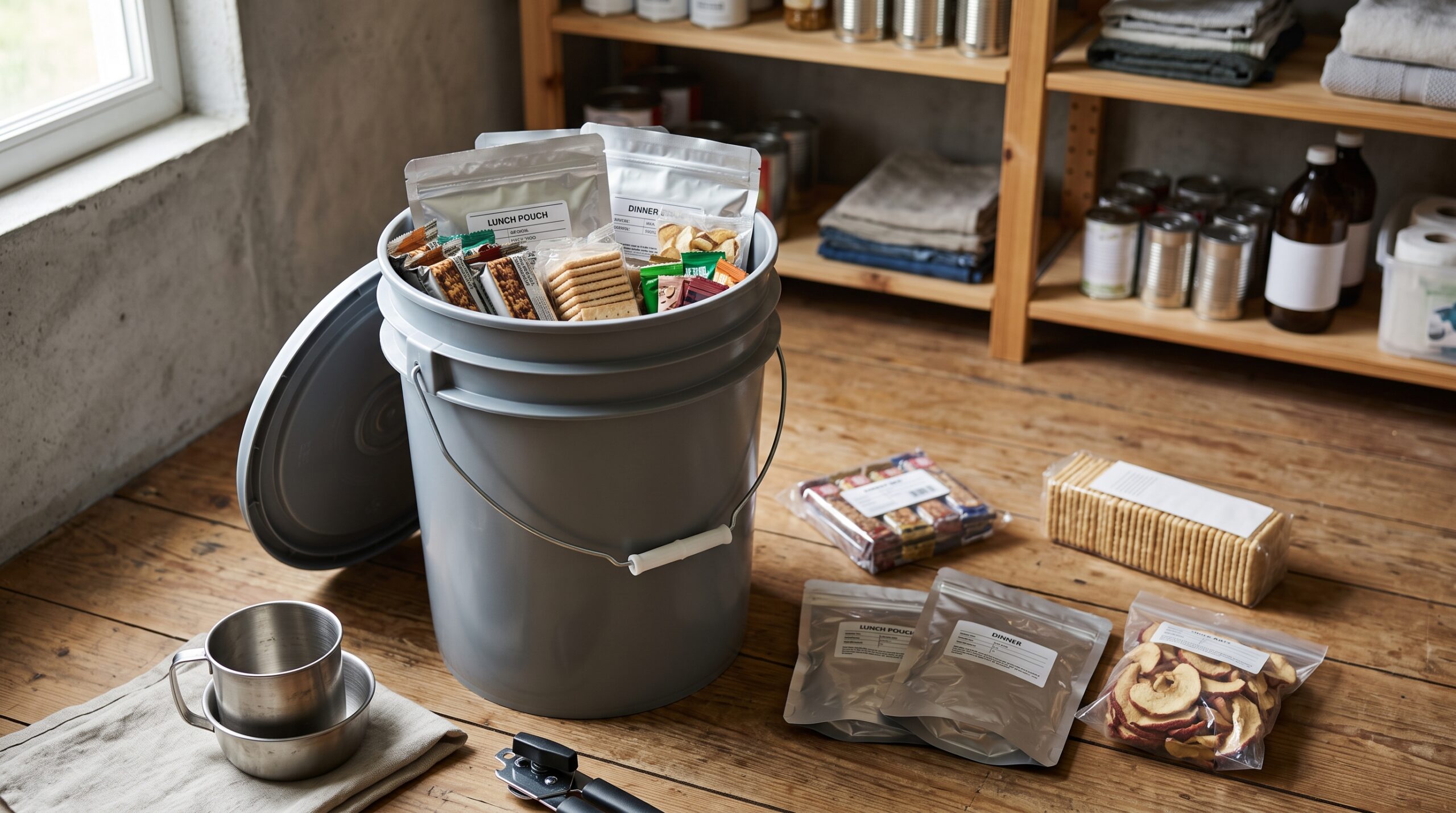
Short answer: a 72-hour food kit is useful when you want a compact, shelf-stable reserve that is easy to inventory and move, but the label on the bucket is not enough to judge it. Compare total calories, calories per person per day, water required, cooking time, dietary fit, package size and the foods your household will actually eat.
Affiliate disclosure: This page contains affiliate links. If you purchase through these links, we may earn a commission at no additional cost to you.
Ready.gov recommends keeping at least a three-day supply of non-perishable food as part of a basic emergency kit. That is a starting point, not a rule that every emergency ends after 72 hours. A packaged kit should sit alongside normal pantry food, stored water and a safe cooking plan rather than replace them.
What makes a useful 72-hour food kit?
| Question | Why it matters |
|---|---|
| Total calories | Lets you estimate the actual energy in the kit instead of relying on serving language |
| Water required | Rehydration water is additional to drinking and hygiene needs |
| Heat/cooking required | A kit is less convenient if every meal needs fuel and boiling water |
| Dietary compatibility | Allergens, sodium, ingredients and dietary restrictions can make a kit unsuitable |
| Portability | Home storage and evacuation have different weight and volume requirements |
| Rotation and shelf-life | Storage claims depend on packaging and conditions; check the current label and manufacturer instructions |
Three current kit formats to compare
The products below represent different packaged approaches rather than a universal ranking. Product contents can change, so compare the exact current box or bucket against the criteria above before buying.
Calories matter more than “servings”
A manufacturer can define a serving as a portion of one meal rather than a full meal or a full day’s intake. For planning, add the calories printed on the current package and divide them by the number of people and days you expect the kit to cover. Then compare that number with individual needs, activity and other food you will have available.
Do not force every household member into the same calorie target. Children, adults, older people and people doing heavy physical work can have very different requirements.
Water and fuel are part of the food system
Many freeze-dried or dehydrated meals require hot water. That means a “food kit” also consumes stored water and cooking fuel. In a power outage, you need a safe way to heat water and enough additional water to prepare the food without compromising drinking supplies.
When MREs or pantry foods may be better
If you need food that can be eaten without boiling water, ready-to-eat foods or appropriate MRE-style rations may be more convenient. For home use, an expanded pantry of familiar shelf-stable food can provide better variety and easier rotation than a sealed emergency bucket.
Preparedness verdict
A packaged 72-hour kit is best treated as a convenient module: useful for a closet, evacuation kit or fast household baseline, but stronger when combined with foods you already eat, adequate water and a tested cooking plan. Recheck the product label periodically because menus, ingredients and calorie totals can change.
Sources reviewed: current Ready.gov emergency-kit guidance and current manufacturer package information. Reviewed: September 2026.