Portuguese Prepper
MyMedic MyFAK vs. Rhino Rescue Trauma IFAK: Which Kit Is Right for You?
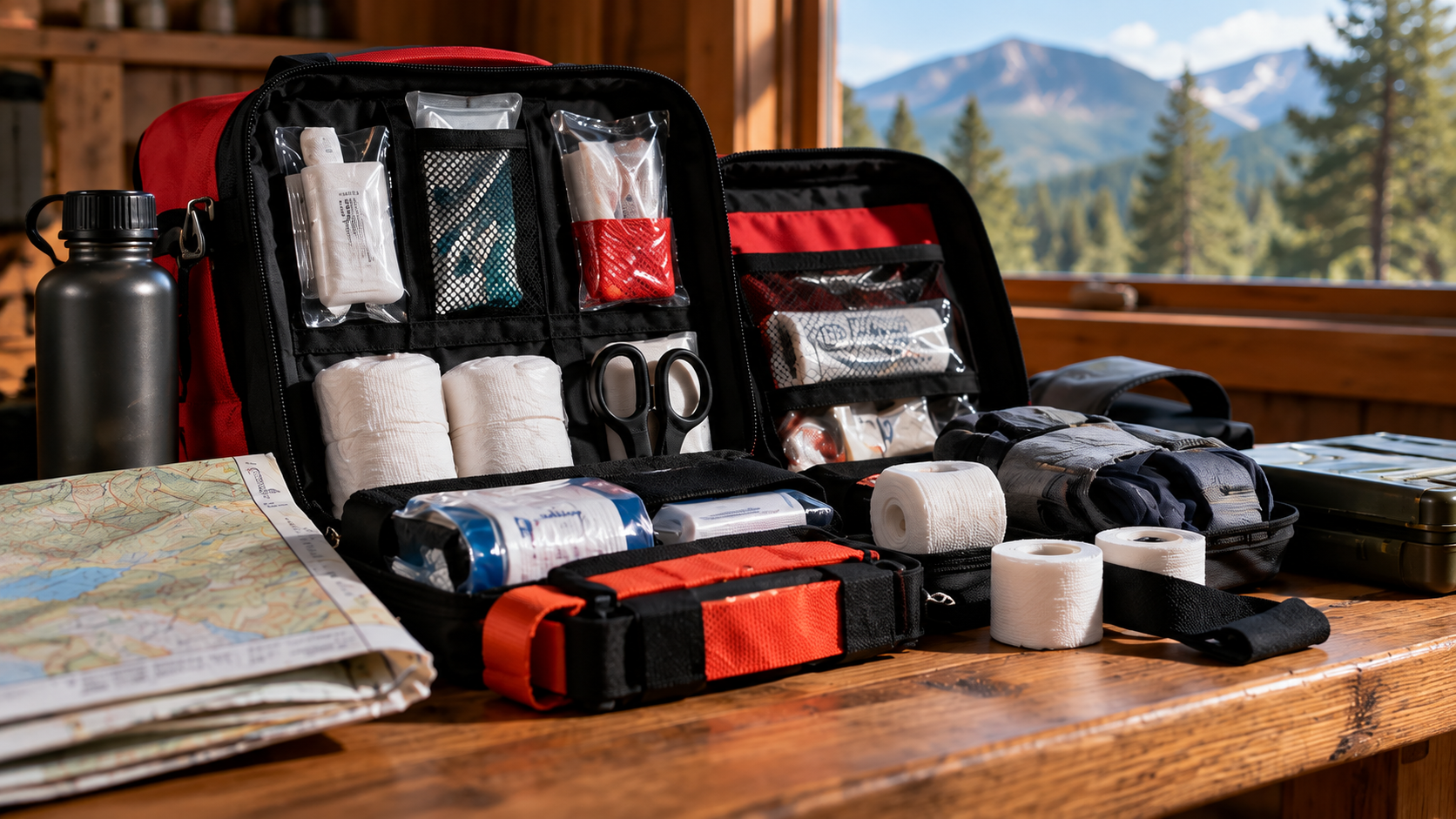
Short answer: in a MyMedic vs Rhino Rescue comparison, the two kits serve different roles. The MyFAK is a broader first-aid system designed to cover routine injuries alongside more serious emergencies, while the RHINO RESCUE Trauma IFAK is a more compact trauma-focused option built around rapid access to emergency medical supplies.
The better choice depends on what you are trying to equip. For a family, vehicle, campsite or general emergency kit, the broader approach of the MyFAK can be useful. For a compact dedicated trauma kit, the Rhino Rescue IFAK offers a more focused format. In either case, verify the exact contents of the current kit before buying because manufacturers can change components and configurations.
Affiliate disclosure: This page contains affiliate links. If you purchase through these links, we may earn a commission at no additional cost to you.
Medical disclaimer: This guide is for preparedness and product-comparison purposes only. It is not medical advice and is not a substitute for professional first-aid, CPR, bleeding-control or emergency medical training. In a medical emergency, contact emergency medical services and follow the instructions of qualified professionals.
Compare current kit options
Broader First-Aid Option: MyMedic MyFAK
Consider the MyFAK when you want a larger kit covering routine first aid alongside trauma supplies. Verify the exact current contents and configuration before purchase.
Trauma-Focused Option: RHINO RESCUE Trauma IFAK
A more compact trauma-oriented option for users prioritizing portability, organization and rapid access to emergency trauma supplies.
MyMedic vs. Rhino Rescue: The Short Answer
The most important difference is not which logo is on the pouch. It is what type of medical capability you are trying to carry.
The MyMedic MyFAK line is designed as a broader first-aid system. Current configurations cover multiple categories of emergency and routine first-aid supplies. That makes it suitable for people who want one larger kit covering both everyday injuries and more serious emergencies.
The Rhino Rescue Trauma IFAK takes a more focused approach. Its role is closer to a compact trauma kit than to a comprehensive household first-aid system, making portability and rapid access central to the format.
Neither approach automatically makes one kit better. A broad family first-aid kit and a compact trauma kit solve different preparedness problems.
First-Aid Kit vs. Trauma Kit vs. IFAK
These terms are often used interchangeably, but they describe different priorities.
- General first-aid kit: typically covers common injuries and everyday problems such as minor wounds, burns, sprains and other routine first-aid needs.
- Trauma kit: places greater emphasis on equipment intended for serious injuries and severe bleeding.
- IFAK: an Individual First Aid Kit is generally a compact kit intended to remain immediately accessible to one person, often with a strong trauma focus.
A compact IFAK should therefore not automatically be treated as a complete household medical kit. Likewise, a large general first-aid kit does not necessarily contain the same trauma equipment as a dedicated bleeding-control kit.
For many households, the more resilient approach is to maintain a comprehensive home or vehicle first-aid kit while keeping dedicated trauma supplies readily accessible.
MyMedic MyFAK: Broader First-Aid Coverage
MyMedic organizes the MyFAK around multiple categories of first-aid supplies rather than treating it exclusively as a compact trauma pouch. Current MyFAK configurations include supplies across multiple areas of routine first aid and emergency care.
The MyFAK is substantially larger than a minimalist IFAK, but the additional size provides room for a broader range of supplies.
MyMedic also sells replacement MODs for its kits, allowing used or depleted categories of supplies to be replenished without necessarily replacing the complete bag.
One important detail is that MyFAK configurations vary. MyMedic offers different configurations, and individual components can depend on the selected version. Check the current product contents and selected variant before purchasing.
Rhino Rescue Trauma IFAK: Compact Trauma Focus
Rhino Rescue takes a more compact, trauma-oriented approach with its Trauma IFAK. Rather than trying to function as a complete household first-aid inventory, the kit is intended to keep emergency trauma supplies organized and readily accessible.
That makes the Rhino Rescue option more appropriate when size, portability and immediate access to trauma equipment are priorities.
As with any preassembled medical kit, check the exact current contents of the configuration you are purchasing. Product contents and configurations can change, and equipment should be matched to your training and intended use.
Comparison at a Glance
| Feature | MyMedic MyFAK | Rhino Rescue Trauma IFAK |
|---|---|---|
| Primary approach | Broad first aid + trauma capability | Compact trauma-focused kit |
| Format | Larger general-purpose medical kit | Compact IFAK-style trauma kit |
| General first-aid supplies | Broader coverage | More limited; trauma emphasis |
| Portability | Designed around broader capacity | Designed around compact access |
| Best fit | Family, vehicle, camping and broader emergency first aid | Dedicated compact trauma capability |
Product specifications and contents can change. Confirm the current product listing before purchase.
Which Kit Belongs in Your Vehicle?
A vehicle can justify both general first-aid supplies and dedicated trauma equipment. Everyday injuries, burns, minor wounds and sprains require different supplies from a severe bleeding emergency.
The MyFAK makes sense when you want a broader collection of supplies in one larger kit. The Rhino Rescue Trauma IFAK makes sense when compact trauma capability and rapid access are the priority.
Do not choose purely on the number of items advertised. A kit with dozens of small bandages is not automatically better equipped for major trauma, while a trauma-focused IFAK may be poorly equipped for common minor injuries.
Standard vs. Pro: Check the Actual Contents
The previous version of this guide recommended automatically buying the MyMedic Pro version. That is too simplistic.
MyMedic configurations can differ in their trauma-oriented supplies and other components. Choose based on the actual published contents rather than the word “Pro” alone.
Before purchasing any medical kit, make an inventory of what you already carry, what you are trained to use, and what scenarios the kit is intended to address. Then compare that list with the current product contents.
Training Matters More Than the Brand
Buying trauma equipment does not provide the knowledge to use it correctly.
The American College of Surgeons’ STOP THE BLEED® program teaches members of the public how to recognize and respond to life-threatening bleeding. The program emphasizes calling emergency services, scene safety and practical bleeding-control skills, including direct pressure, wound packing and appropriate tourniquet use.
Regardless of which kit you buy, hands-on training should be part of the preparedness plan.
A smaller kit containing equipment you understand and can access quickly may be more useful than a larger kit filled with unfamiliar medical devices.
Inspect, Replace and Refill Your Kit
Emergency medical kits require maintenance. Do not buy one, place it in a vehicle or closet and assume it will remain ready indefinitely.
Periodically inventory the kit and inspect packaging and supplies. Check manufacturer expiration dates where applicable and replace items that have expired, been used, become damaged, or have compromised packaging.
This is particularly important for vehicle kits, which can experience substantial temperature swings and physical wear. Follow the storage requirements printed on individual medical products rather than assuming every component can tolerate the same conditions.
Replace used or expired components individually where possible, and periodically compare the contents of your kit with your current training and preparedness requirements.
Which One Should You Buy?
- Family first-aid kit: MyMedic MyFAK is the more natural starting point when broad first-aid coverage is the priority.
- Vehicle kit: either approach can work; choose broader first-aid coverage or compact trauma capability according to the role of the kit.
- Dedicated trauma kit: RHINO RESCUE Trauma IFAK is the more focused option in this comparison.
- Compact individual carry: the RHINO RESCUE format is better aligned with the role of a compact IFAK than a larger general first-aid bag.
- Home preparedness: consider maintaining broad household first-aid supplies plus an accessible bleeding-control component rather than expecting one small IFAK to cover every medical scenario.
The Bottom Line
The meaningful difference between MyMedic MyFAK and Rhino Rescue Trauma IFAK is the role each kit is designed to perform.
MyMedic’s MyFAK is the broader first-aid platform. The Rhino Rescue Trauma IFAK is the more compact, trauma-focused option.
Choose according to the role the kit needs to perform, verify the exact current contents before buying, and obtain appropriate first-aid and bleeding-control training. The brand name cannot substitute for either the right equipment or the knowledge to use it.
Sources and Methodology
- MyMedic — MyFAK product information and current contents
- American College of Surgeons — STOP THE BLEED®
This comparison is based on published product information and documentation rather than hands-on testing. Kit contents, configurations, prices and availability can change.
Reviewed: September 2026.
Related pages
Medical disclaimer: This content is for general preparedness and educational purposes only and does not provide medical diagnosis or treatment advice. Seek appropriate professional medical training, follow the instructions supplied with medical equipment, and contact emergency medical services in an emergency.