
Portuguese Prepper
Emergency Dental Kits: Temporary Care for Broken Teeth, Lost Fillings & Dental Emergencies
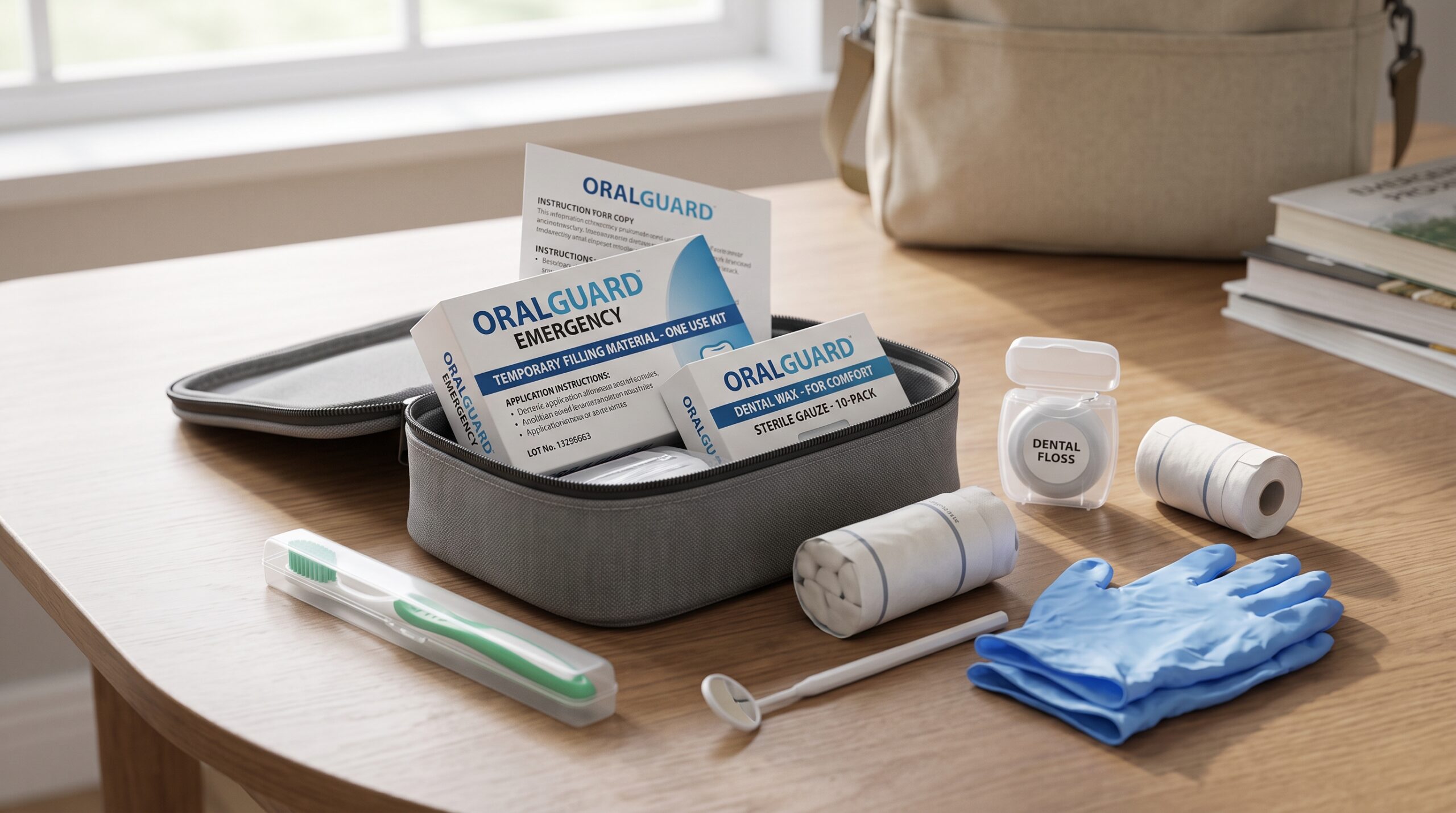
Dental problems can become extremely disruptive during an emergency or prolonged interruption of normal services. Severe oral pain can interfere with sleep, eating, concentration, and everyday functioning, yet dental supplies are often missing from otherwise comprehensive first-aid kits.
An emergency dental kit is not a replacement for professional dental care. Its purpose is temporary stabilization and damage limitation: protecting sensitive tooth surfaces, managing minor problems, reducing discomfort, preserving damaged or knocked-out teeth when appropriate, and preventing additional injury until professional treatment is available.
Medical Disclaimer: This guide is for general preparedness and educational purposes only and is not a substitute for professional medical or dental advice, diagnosis, or treatment. Dental emergencies can become serious quickly. Always seek advice from a qualified dentist or healthcare professional when possible. If you have difficulty breathing or swallowing, rapidly increasing facial or neck swelling, uncontrolled bleeding, or other signs of a medical emergency, seek emergency medical care immediately.
What an Emergency Dental Kit Can — and Cannot — Do
Understanding the limits of dental first aid is essential. Most items in an emergency dental kit are designed to provide short-term protection or symptom management until a dentist can diagnose and treat the underlying problem.
What a Kit CAN Do
- Temporarily cover a lost filling and protect sensitive tooth structure.
- Temporarily re-seat some dislodged crowns using a product intended for temporary crown repair.
- Cover sharp tooth or restoration edges with orthodontic wax.
- Provide temporary symptom relief using appropriate over-the-counter products according to their labels.
- Help preserve a knocked-out permanent tooth while urgent professional care is arranged.
- Provide basic supplies for cleaning, inspection, gauze pressure, and temporary stabilization.
What a Kit CANNOT Do
- Cure a dental abscess or eliminate the source of a bacterial infection.
- Permanently restore a fractured or badly decayed tooth.
- Make DIY tooth extraction safe.
- Replace dental X-rays, examination, diagnosis, or professional treatment.
- Safely resolve severe facial swelling or other systemic complications.
Emergency Dental Kit Checklist
A practical dental module can be divided into essential supplies for ordinary household emergencies and additional items for extended preparedness.
Tier 1: Essential Dental First Aid Supplies
- Temporary Filling Material: An over-the-counter temporary repair product intended for lost fillings or similar short-term dental use.
- Temporary Crown Cement: A consumer dental cement specifically intended for temporarily re-seating a compatible loose crown.
- Over-the-Counter Toothache Relief: Use only products intended for oral use and follow the manufacturer’s directions carefully.
- Dental Wax: Orthodontic wax can temporarily cover a sharp tooth, restoration, bracket, or other edge that is irritating the tongue or cheek.
- Dental Mirror: A small mouth mirror can improve visibility when checking difficult-to-see areas. Use it for visual inspection rather than invasive probing.
- Cotton Pellets and Cotton Rolls: Useful for absorbing saliva and helping keep an area reasonably dry while applying temporary products.
- Dental Tweezers: Useful for handling small cotton pieces or other appropriate materials without unnecessary finger contact.
- Sterile Gauze: Useful for applying pressure to minor oral bleeding and for general dental first aid.
- Light Source: Good illumination is important when examining the mouth. A hands-free option from our emergency headlamp guide can be useful.
Tier 2: Extended Preparedness Supplies
- Curved Irrigation Syringe: A blunt utility-style syringe can be useful for gentle irrigation where appropriate. Never force fluid deeply into injured tissue.
- Tooth Preservation Medium: A commercial tooth-preservation system such as one using Hank’s Balanced Salt Solution (HBSS) can be useful for a knocked-out permanent tooth.
- Oral Pain Medication: Appropriate over-the-counter analgesics can provide temporary symptom relief when used according to their labels and individual medical contraindications.
- Salt Packets: Convenient for preparing simple saltwater rinses when appropriate.
- Nitrile Gloves: Useful when providing first aid to another person and for maintaining cleaner handling conditions.
- Written Instructions: Keep product instructions and a simple dental-emergency reference card directly inside the kit.
Dental Emergency Quick-Reference Table
Use this table as a basic preparedness reference. It does not replace examination or diagnosis by a dental professional.
| Condition | Immediate Goal | Temporary Action | Useful Supply | Escalation |
|---|---|---|---|---|
| Lost Filling | Protect sensitive tooth structure | Rinse gently and use an OTC temporary repair product according to its instructions | Temporary filling material, cotton rolls | Persistent severe pain, swelling, fever, or other concerning symptoms |
| Dislodged Crown | Protect the underlying tooth and preserve the crown | Check the crown’s fit without forcing it and use temporary crown cement only when appropriate and according to instructions | Temporary crown cement, dental mirror | Severe pain, significant tooth fracture, bleeding, or inability to re-seat safely |
| Broken / Chipped Tooth | Protect soft tissues and preserve fragments | Rinse gently, save fragments, cover irritating sharp edges with dental wax if appropriate | Dental wax, gauze, suitable fragment container | Deep fracture, significant pain, bleeding, or suspected pulp exposure |
| Knocked-Out Permanent Tooth | Protect the root surface and obtain urgent care | Handle by the crown, not the root; keep the tooth moist in an appropriate medium if immediate replantation is not performed | HBSS tooth-preservation kit or other appropriate storage medium | TIME-CRITICAL: Obtain emergency dental care immediately |
| Acute Toothache | Reduce irritation and identify obvious contributing factors | Gentle rinsing, careful flossing where appropriate, and OTC symptom relief according to label directions | Floss, salt, appropriate OTC products | Facial swelling, fever, severe or worsening pain, or systemic symptoms |
| Suspected Infection / Abscess | Obtain professional treatment and monitor for spreading infection | Do not attempt invasive drainage or DIY treatment | Supportive first-aid supplies only | EMERGENCY: Difficulty breathing/swallowing or rapidly spreading facial or neck swelling |
Lost Filling: Temporary Dental Repair
When a filling falls out, the exposed tooth can become sensitive to temperature, air, food, and chewing pressure. An over-the-counter temporary filling product may provide short-term protection while professional dental treatment is arranged.
- Rinse Gently: Use clean water to remove loose food and debris without aggressively manipulating the cavity.
- Read the Product Instructions: Different temporary dental materials have different preparation, moisture, setting, and application requirements.
- Apply Only as Directed: Use the amount and technique specified by the manufacturer rather than packing material deeply into the tooth.
- Check Comfort: Follow the product directions regarding bite and setting. Stop if the procedure causes significant pain or the material cannot be placed comfortably.
- Arrange Dental Care: Temporary filling material is not a permanent restoration. The underlying cause still requires professional assessment.
Do not attempt to seal a tooth that appears infected, is actively draining, or is associated with significant swelling.
Lost Crown: What to Do Temporarily
A dislodged crown should be preserved and professionally evaluated. In some circumstances, an intact crown may be temporarily re-seated with a consumer product specifically intended for temporary crown repair.
- Keep the Crown: Store it safely and keep it clean.
- Inspect Without Probing: If a substantial piece of tooth appears to have broken off inside the crown, do not force it back into position.
- Check the Fit Gently: If appropriate, verify orientation without forcing the crown or biting down hard.
- Use Only Dental Products Intended for This Purpose: Follow the instructions supplied with an over-the-counter temporary crown cement.
- Seek Dental Care: A temporarily re-seated crown still requires professional examination and definitive treatment.
CRITICAL WARNING: Never Use Household Glue
Never use Super Glue or another household adhesive to reattach a crown or repair a tooth. These products are not designed for dental treatment and can damage tissues or complicate subsequent professional care.
Broken or Chipped Tooth: Immediate Priorities
A chipped tooth can range from a small enamel defect to a deep fracture involving the internal structures of the tooth. The severity cannot always be determined reliably without professional examination.
- Rinse Gently: Clean the mouth carefully with water without aggressively manipulating the damaged tooth.
- Preserve Fragments: If tooth fragments can be recovered safely, keep them and take them to the dentist.
- Protect Soft Tissue: Orthodontic wax can temporarily cover some sharp edges that are cutting the tongue or cheek.
- Control Bleeding: Apply clean gauze with gentle, steady pressure to bleeding soft tissue where appropriate.
- Use a Cold Compress Externally: A wrapped cold pack against the outside of the face may help with swelling after dental trauma.
- Seek Professional Assessment: Significant pain, bleeding, mobility, deep fractures, or suspected exposure of the internal tooth structure require prompt dental care.
Knocked-Out Permanent Tooth: A Time-Critical Emergency
A completely knocked-out permanent tooth requires urgent professional dental care. Keeping the root surface from drying out is particularly important.
Important: Baby Teeth
Do not attempt to reinsert a knocked-out primary (baby) tooth. Seek professional dental guidance instead.
- Handle the Crown, Not the Root: Pick up the tooth by the visible crown. Avoid touching or scraping the root.
- Do Not Scrub It: If the tooth is dirty, avoid aggressive cleaning, disinfectants, soap, alcohol, or abrasion.
- Keep It Moist: If immediate replantation is not performed, place the tooth promptly in an appropriate tooth-preservation medium.
- Use an Appropriate Storage Medium: A commercial HBSS tooth-preservation system is specifically designed for this purpose. Milk may be used when appropriate preservation media are unavailable. Do not allow the tooth to dry out.
- Get Emergency Dental Care: Contact an emergency dentist immediately. Time outside the socket and storage conditions can affect the possibility of successfully retaining the tooth.
Toothache, Swelling, and Suspected Infection
Tooth pain can have many causes, including decay, fractured teeth, inflamed dental pulp, gum problems, food impaction, and infection. Temporary symptom relief does not identify or eliminate the underlying cause.
Conservative Measures
- Gentle Rinsing: Keeping the mouth clean may help remove debris and reduce local irritation.
- Careful Flossing: If food is visibly trapped between teeth, gentle flossing may help. Stop if it causes significant pain or bleeding.
- OTC Dental Products: Use only products intended for oral use and follow the package directions carefully.
- Oral Pain Medication: Appropriate non-prescription pain relievers may help some people when taken according to the product label and individual medical restrictions.
- Never Put Aspirin Directly on the Gum: Aspirin tablets are intended to be taken according to their directions, not placed directly against oral tissue.
Dental Infection Red Flags
Dental infections can sometimes spread beyond the tooth into surrounding facial and neck tissues. Certain symptoms require urgent medical assessment rather than continued home management.
Seek Immediate Medical Care For:
- Difficulty Breathing or Swallowing: Swelling affecting normal breathing or swallowing can represent a medical emergency.
- Rapidly Increasing Facial or Neck Swelling: Particularly swelling extending toward the neck, under the jaw, or around the eye.
- Severe Difficulty Opening the Mouth: Significant restriction associated with infection or swelling warrants urgent assessment.
- Systemic Illness: Fever, chills, confusion, weakness, or other significant systemic symptoms associated with dental pain or swelling require prompt medical attention.
- Uncontrolled Bleeding: Oral bleeding that does not stop with appropriate direct pressure requires urgent assessment.
What NOT to Do During a Dental Emergency
- Do Not Attempt DIY Tooth Extractions: Pulling a tooth yourself can cause bleeding, retained root fragments, tissue injury, nerve damage, and infection.
- Do Not Drill or File Teeth: Household drills, rotary tools, files, and abrasives are not appropriate dental treatment.
- Do Not Use Household Glue: Use only products specifically intended for dental applications.
- Do Not Attempt to Drain an Abscess: Puncturing or cutting swollen oral tissue can cause injury and does not provide appropriate treatment of the underlying infection.
- Do Not Take Leftover or Borrowed Antibiotics: Antibiotic selection and use require appropriate clinical assessment. Antibiotics also do not replace treatment of the underlying dental source.
- Do Not Ignore Spreading Swelling: Facial or neck swelling associated with dental infection can become medically serious.
Dental Kit Storage and Maintenance
- Check Expiration Dates: Review medications, tooth-preservation media, temporary dental products, and other dated supplies periodically.
- Inspect Opened Products: Replace temporary filling materials, cements, or other products that have dried out, leaked, become contaminated, or exceeded their recommended use period after opening.
- Store Correctly: Follow manufacturer temperature, moisture, and light-storage requirements.
- Keep Instructions: Store the manufacturer’s directions with each product rather than relying on memory during an emergency.
- Integrate With Your Medical Kit: Review dental supplies when maintaining the rest of your first aid kit.
Emergency Dental Kit Products
Affiliate disclosure: This page contains affiliate links. If you purchase through these links, we may earn a commission at no additional cost to you.
Emergency Dental Kit FAQ
What should be in an emergency dental kit?
Useful supplies can include an OTC temporary dental repair product, temporary crown cement, orthodontic wax, sterile gauze, cotton rolls, a dental mirror, nitrile gloves, appropriate oral-hygiene supplies, a tooth-preservation medium, and suitable over-the-counter pain-relief products.
Can I temporarily repair a lost filling at home?
An over-the-counter temporary filling product may provide short-term protection in some situations when used according to its instructions. It is not a permanent filling and does not eliminate the need for dental assessment.
Can I glue a crown back onto my tooth?
Do not use household glue. If temporary re-seating is appropriate, use only a product specifically intended as temporary dental cement and follow its instructions. A dentist should evaluate the crown and underlying tooth.
What should I do with a knocked-out permanent tooth?
Handle it by the crown rather than the root, avoid scrubbing it, keep it moist using an appropriate preservation method, and obtain emergency dental care immediately. Do not attempt to reinsert a knocked-out baby tooth.
Can an emergency dental kit treat an abscess?
No. Home dental supplies cannot eliminate the source of a dental abscess. Significant swelling, fever, worsening symptoms, difficulty swallowing or breathing, or spreading facial or neck swelling require urgent professional assessment.
Can I pull a bad tooth myself during an emergency?
No. DIY extraction can cause serious complications including bleeding, retained root fragments, tissue damage, and infection. Extraction requires appropriate professional assessment, equipment, technique, and follow-up care.
How often should I check my dental emergency kit?
Inspect it whenever you review your main first-aid supplies. Check expiration dates, packaging integrity, opened-product condition, manufacturer storage requirements, and whether written instructions remain with the products.
Clinical Reference Guidelines
- American Dental Association (ADA) / MouthHealthy: Consumer guidance on dental emergencies and temporary management before professional treatment.
- American Association of Endodontists (AAE): Guidance relating to traumatic dental injuries and knocked-out permanent teeth.
- International Association of Dental Traumatology (IADT): Clinical guidelines for traumatic dental injuries, including avulsion of permanent teeth.
- National Health Service (NHS): Public guidance regarding toothache, dental abscesses, and symptoms requiring urgent medical attention.
- Centers for Disease Control and Prevention (CDC): Information relevant to infection prevention and appropriate antimicrobial use.
Related Dental & Medical Preparedness Guides
Medical Disclaimer: This guide is provided for educational and emergency preparedness purposes only. Temporary measures do not substitute for definitive dental treatment. Seek professional dental or medical care as appropriate.