
Portuguese Prepper
Security & Home Defense Preparedness
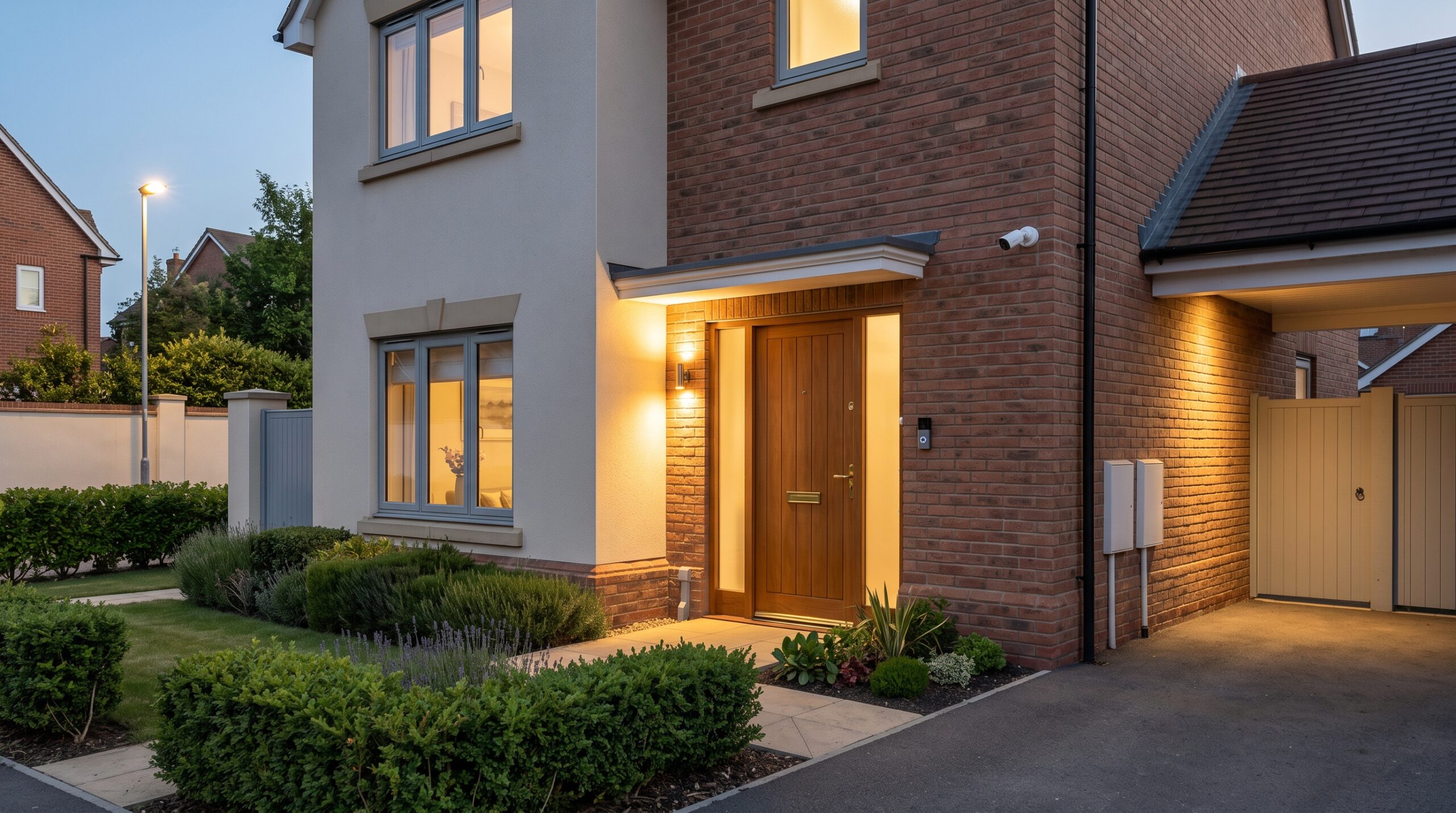
Good home security is built in layers. The objective is not to turn your home into a fortress, but to reduce opportunities for intrusion, detect problems early, slow unauthorized entry, and give your household more time to make safe decisions.
A practical security plan follows four principles: Deter, Detect, Delay, and Respond. Exterior lighting and visible security measures can discourage unwanted attention. Cameras and alarms improve awareness. Reinforced doors and windows can increase the time required to gain entry. A household plan helps you decide what to do next.
This section covers practical home-security equipment and preparedness strategies for houses, apartments, rural properties, vehicles, hotels, and other situations where improving awareness and physical security can reduce risk.
Start With the Entry Points
Doors and windows are natural places to begin because physical security is only as strong as the easiest practical route into the home. Before adding sophisticated electronics, inspect the basic structure: frames, locks, hinges, strike plates, accessible windows, and secondary entrances.
Detection & Early Warning
The earlier you know something unusual is happening, the more options you have. Cameras and perimeter sensors can extend awareness beyond the walls of the home and reduce the chance that the first warning is someone already at the door.
Personal & Household Safety
Physical security cannot prevent every incident. Your household should also know where to go, how to communicate, when to leave, and how to contact emergency services when they are available.
Build Security in Layers
No single lock, camera, alarm, or reinforcement product can make a property completely secure. A better approach is to combine complementary measures so that the failure of one layer does not leave the household without alternatives.
For example, exterior visibility may discourage an approach. A driveway sensor can provide early warning. A camera can help identify what triggered the alert. Reinforced doors and windows can increase resistance to forced entry. Inside the home, a communication and retreat plan provides another layer if the earlier measures fail.
The objective is time, information, and options. Security measures are most useful when they give you more of all three.
Where to Start
If you are building your home-security system from scratch, begin with a basic assessment rather than buying equipment immediately. Check exterior lighting and visibility, inspect doors and windows, identify blind spots, establish a household communication plan, and then add equipment where it addresses a specific weakness.