
Portuguese Prepper
Recommended Preparedness Gear
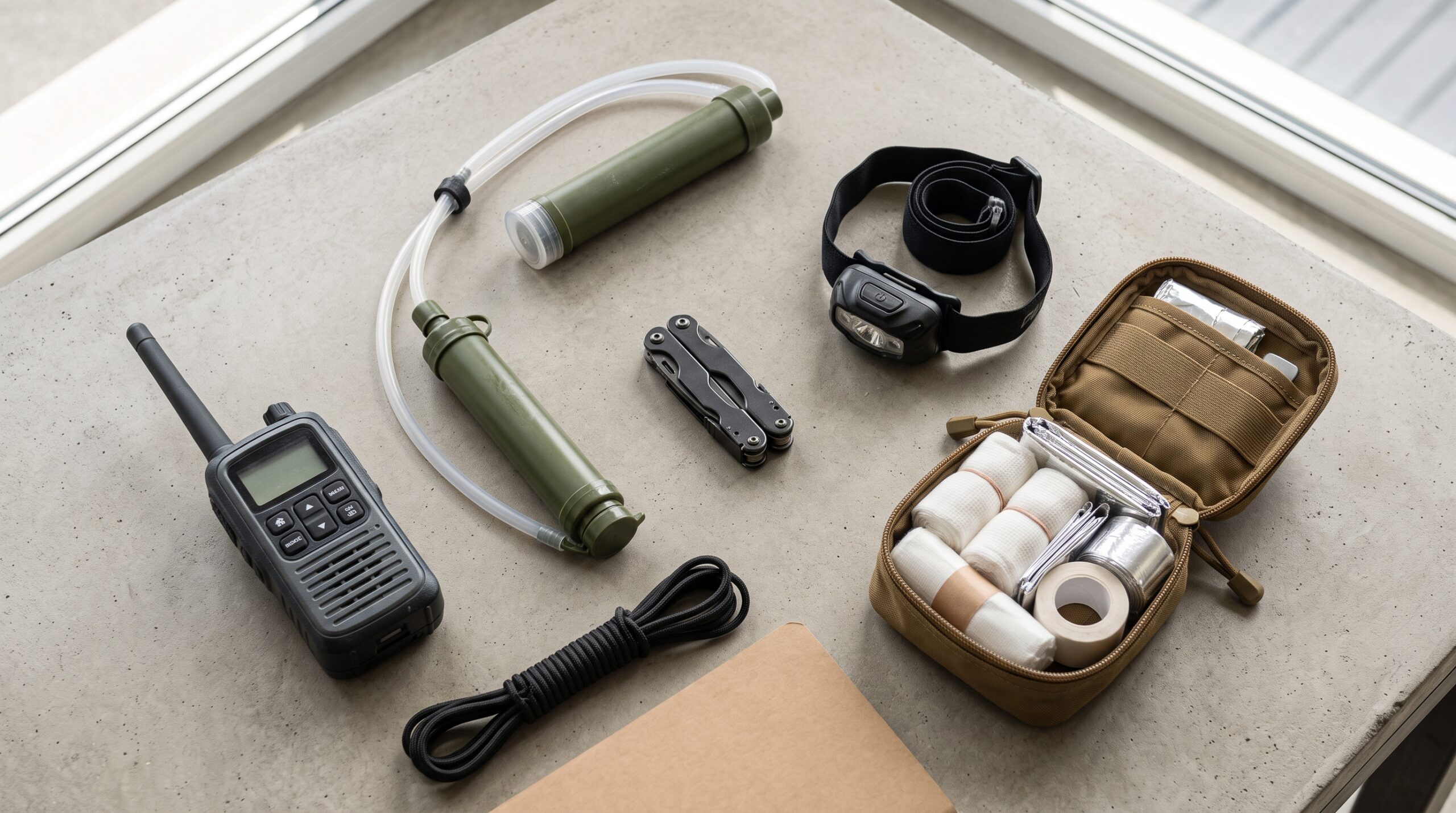
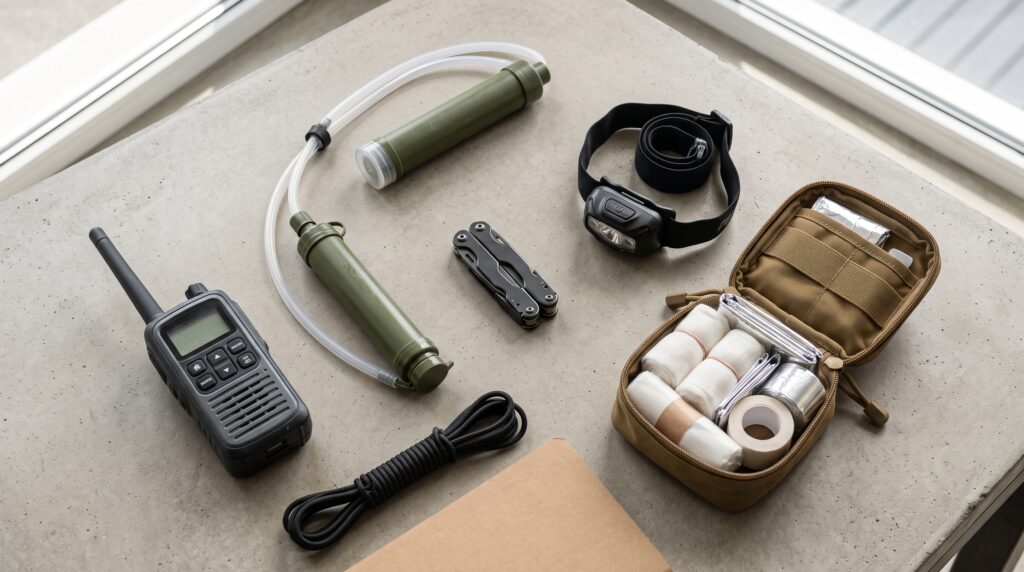
The best preparedness gear is not necessarily the most expensive or the most tactical. It is equipment that solves a real problem, works reliably when needed, and fits the way you actually prepare.
This page brings together our main gear guides for emergency preparedness, home resilience, and off-grid situations. Rather than building one universal shopping list, we organize equipment around specific needs: water, food, backup power, medical readiness, communications, tools, and security.
Affiliate disclosure: Portuguese Prepper may earn a commission when you purchase through qualifying links, at no additional cost to you. Affiliate relationships do not determine which products we cover or recommend.
How We Choose Preparedness Gear
A useful preparedness system is built around capabilities, not products. Before buying equipment, identify the problem you need to solve and consider whether the product adds meaningful capability or redundancy to your existing setup.
Power & Backup Energy
Emergency power should be sized around the equipment you actually need to operate. Start with lighting and communications, then consider refrigeration and other higher-demand loads.
Water
Water equipment should address different stages of preparedness: storing safe water before an emergency, transporting it when necessary, and treating uncertain sources when stored supplies are unavailable.
Food & Emergency Cooking
Emergency food is a system involving calories, nutrition, water, storage conditions, rotation, and cooking. Packaged emergency meals can be useful, but they should complement rather than replace a practical household pantry.
Medical & First Aid
Medical preparedness starts with training and realistic first-aid capability. Equipment should match your level of training and should never be treated as a substitute for professional medical care when that care is available.
Emergency Communications
Communication equipment should provide alternatives when your normal phone or internet connection becomes unreliable. Different technologies solve different problems, so redundancy matters more than owning a single powerful radio.
Tools
Preparedness tools should earn their place by performing useful tasks reliably. A small collection of durable, familiar tools is generally more useful than a large collection of specialized equipment you rarely use.
Home Security
Preparedness-oriented home security should be layered. Physical reinforcement, visibility, detection, communication, and household procedures can work together rather than relying on a single product.
Build the System Before Buying More Gear
Preparedness is not measured by how much equipment you own. Before adding another product, ask what capability it provides, whether you already have another way to perform the same task, and whether you know how to use and maintain it.
For critical needs, build redundancy deliberately. Stored water can be backed up by filtration. A power station can be backed up by alternative charging. A mobile phone can be backed up by radio or another communication method. The objective is not to own everything—it is to avoid a single point of failure.
Product availability, specifications, pricing, and our recommendations may change over time. Check the individual guide for the latest context before purchasing.